
Lumbar Laminectomy / Decompression
When nerve compression causes leg pain, numbness, or weakness, decompression removes the pressure so nerves can recover, often without fusion.
You’ll get a clear plan for walking tolerance, posture, and gait retraining.
- Board-Certified Specialists
- Fluoroscopy-Guided Injections
- Early, Professional Diagnosis
- Personalized Treatment Plans
- Seven DFW Locations
- Non-Opioid-First Care
Who Benefits
- Spinal stenosis or disc herniation with radicular symptoms
- Limited walking capacity
- Neurologic deficits (weakness, numbness)
If imaging shows slip or deformity, stability may be needed — see Lumbar Fusion.

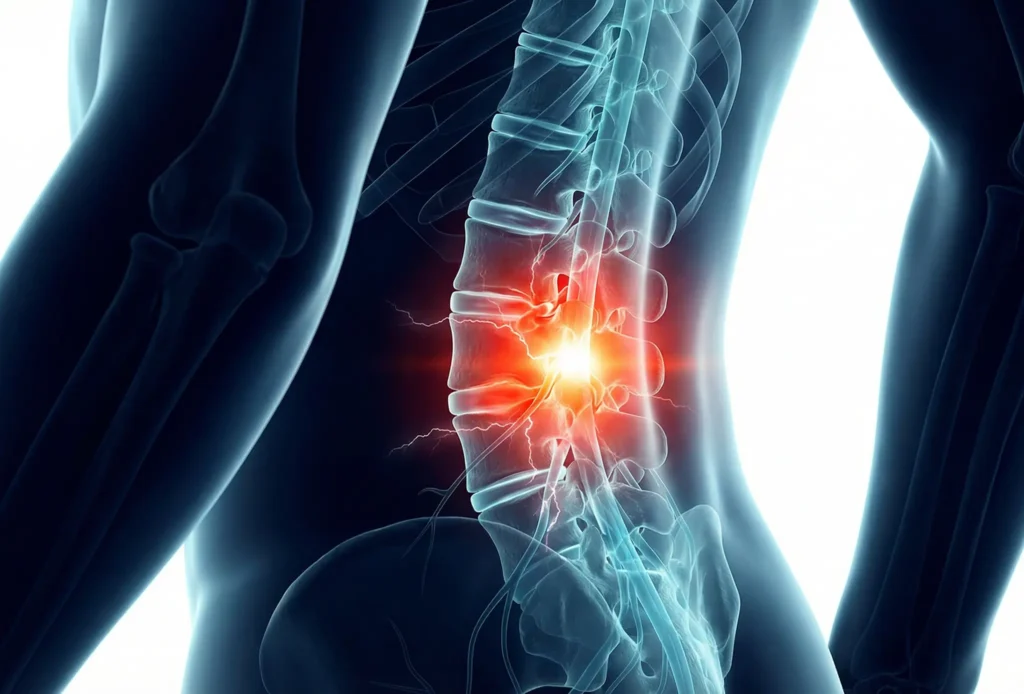
How It Works
- Small posterior incisions are made
- Bone and ligament compressing the nerve are carefully removed
- Stability is preserved whenever possible
- If instability is discovered during surgery, fusion may be considered
Compare treatment choices in Spinal Fusion Overview.
Recovery Timeline
Early Recovery
- Most patients walk the same day after surgery
Return to Work & Activity
- Desk work: often 1–2 weeks
- Endurance improves gradually with structured physical therapy
Supportive Care
- Physical Therapy & Rehab: structured program for mobility and strength
- Epidural Steroid Injections: considered if inflammation or pain persists
Request Your Same-Day Lumbar Laminectomy Evaluation
Don’t wait in pain — our expert spine specialists are available for same-day evaluations.

Frequently Asked Questions
Who is a good candidate for Lumbar Laminectomy / Decompression?
This surgery helps patients with spinal stenosis or herniated discs, causing leg pain, numbness, or weakness. It relieves nerve pressure to improve walking and mobility. If instability or deformity is also present, your surgeon may recommend Lumbar Fusion for added stability and long-term protection.
What happens during a Lumbar Laminectomy / Decompression?
The procedure removes bone or ligament pressing on spinal nerves while preserving stability whenever possible. Using small posterior incisions, surgeons decompress the affected nerves to restore motion and reduce pain. If instability is detected, they may discuss combining it with Lumbar Fusion to maintain alignment and support recovery.
How is recovery after a Lumbar Laminectomy / Decompression?
Most patients walk the same day of surgery and return to desk work within 1–2 weeks. Endurance and posture improve with guided Physical Therapy & Rehab. If lingering inflammation affects leg comfort, an Epidural Steroid Injection may help calm the healing nerves and ease recovery.
Will I still need fusion after decompression?
Many patients do not. Lumbar Laminectomy alone often resolves nerve pressure without fusion. However, if slip, deformity, or recurrent instability appear later, Lumbar Fusion may be necessary. Before reoperation, a Diagnostic Nerve Block can confirm the pain generator to ensure the most accurate next step.
When can I return to walking or work after surgery?
Walking usually begins the same day with gradual increases in distance and frequency. Most patients return to desk work in 1–2 weeks, while heavier labor takes longer. Structured milestones through Physical Therapy & Rehab and, if needed, Epidural Steroid Injection support safe, steady progress.
What are the risks and long-term expectations of decompression surgery?
Complications are uncommon but may include infection or recurrent herniation. Surgeons at Comprehensive Spine Center use precise techniques to minimize tissue disruption and preserve stability. If future instability occurs, Lumbar Fusion or image-guided options under Injections & Ablations may help maintain durable results.
Ready to start recovery?
Contact us and set up your doctor visit today to start your journey to pain-free living.