
Runner’s Knee & Patellofemoral Pain Specialists in Dallas
- Board-Certified Specialists
- Fluoroscopy-Guided Injections
- Early, Professional Diagnosis
- Personalized Treatment Plans
- Seven DFW Locations
- Non-Opioid-First Care
Why It Hurts?
Patellofemoral pain occurs when trauma, poor tracking, or repetitive stress irritates the kneecap and cartilage underneath. Sports collisions and falls can accelerate damage, leading to pain with squats, stairs, or running. Without care, pain often lingers for months. Learn more on our Knee Pain.
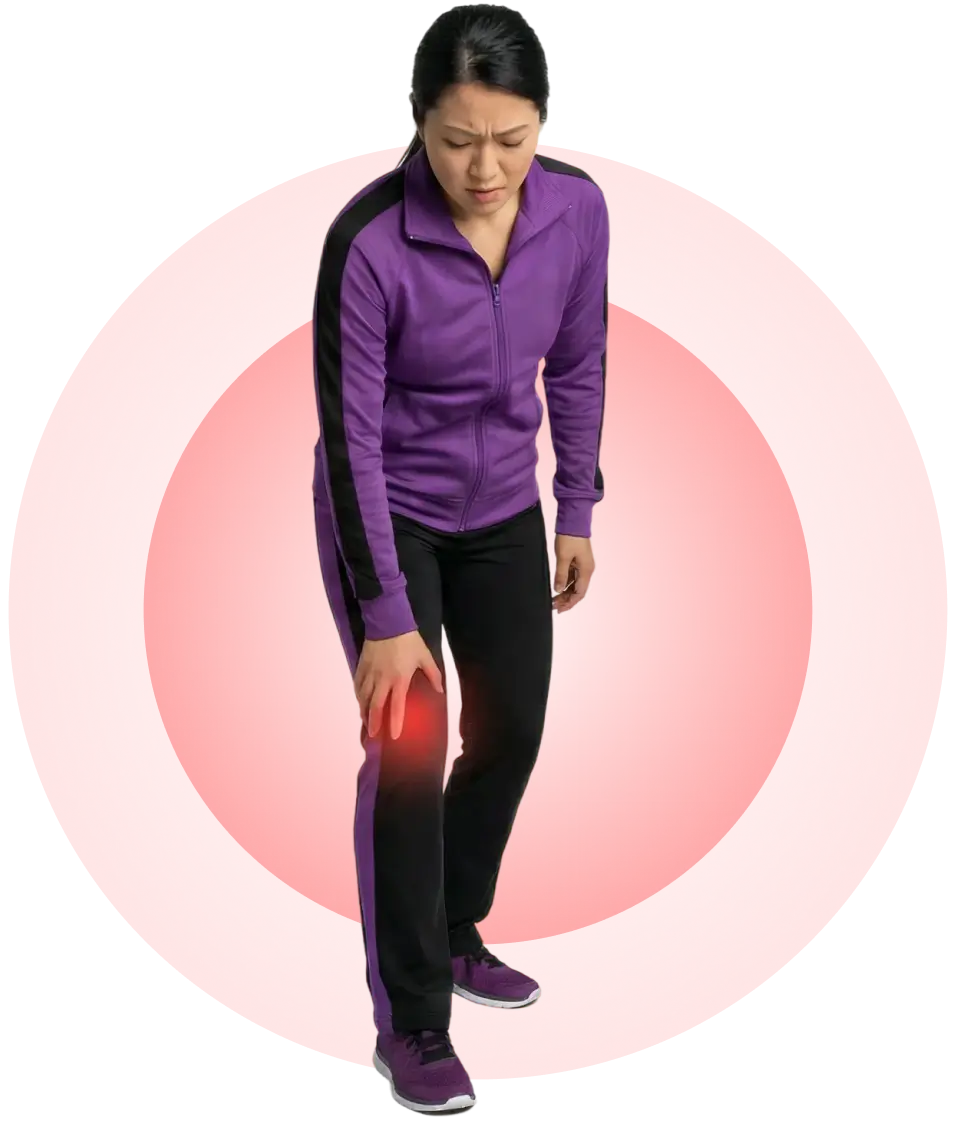
Runner’s Knee
Symptoms
Pain with stairs
or squats
Clicking or grinding kneecap
Pain after sitting long periods
Swelling after
activity
Weakness with running or jumping

Why Choose Us?
-
Fellowship-trained knee and sports injury doctors
-
Same-day or next-day evaluations
-
Non-opioid-first care: therapy, cortisone, PRP
-
Bracing and advanced procedures when needed
Proven Treatments
Targeted physical therapy
Patellar-tracking braces
Cortisone
injections
Platelet-Rich Plasma (PRP)
Arthroscopy if cartilage damaged
Request Your Same-Day Patellofemoral Pain Evaluation
Don’t wait in pain — our expert spine specialists are available for same-day evaluations.

Frequently Asked Questions
Can accidents cause runner’s knee?
Yes. Direct trauma or falls can disturb the kneecap’s tracking, leading to patellofemoral pain. Symptoms often worsen with stairs, squats, or running. Early diagnosis and therapy reduce long-term damage. Learn more at our Patellofemoral Pain page.
Do braces actually help runner’s knee?
Yes. Patellar-tracking braces reduce kneecap irritation and relieve pain in most patients. When combined with cortisone or PRP injections, success rates rise significantly. Learn more about options on our Knee Pain page.
When should I see a doctor for runner’s knee?
If knee pain persists more than 2–3 weeks, limits running, or worsens with stairs, see a doctor. Early evaluation prevents cartilage damage and speeds recovery. Same-day or next-day appointments available. Learn more on our Leg, Hip & Foot Hub.
Is physical therapy effective for patellofemoral pain?
Yes. Therapy strengthens hip and thigh muscles, improves tracking, and relieves pain. Adding bracing or injections enhances results. Most patients recover without surgery. Learn more on our Therapies page.
Do injections help with runner’s knee?
Yes. Cortisone reduces inflammation and PRP stimulates tendon and cartilage healing. Injections relieve pain and allow therapy to progress. Learn more about biologics on our PRP page.
Why is early treatment important for runner’s knee?
Delaying care risks worsening cartilage wear and chronic pain. Early therapy, bracing, and injections restore function and prevent long-term disability. Learn more at our Patellofemoral Pain page.