
Concussion & Head Injury in Dallas
- Board-Certified Specialists
- Fluoroscopy-Guided Injections
- Early, Professional Diagnosis
- Personalized Treatment Plans
- Seven DFW Locations
- Non-Opioid-First Care
Care, Simplified
- Same-day or next-day appointments (call early)
- Bilingual staff (English/Spanish)
- No upfront cost for eligible injury cases
- I-PAS assessments & I-PAS training for vision/vestibular recovery
- Individualized concussion rehab: graded exercise, vestibular-ocular & cervical care
- MRI/CT ordered when necessary to guide decisions
Common Symptoms

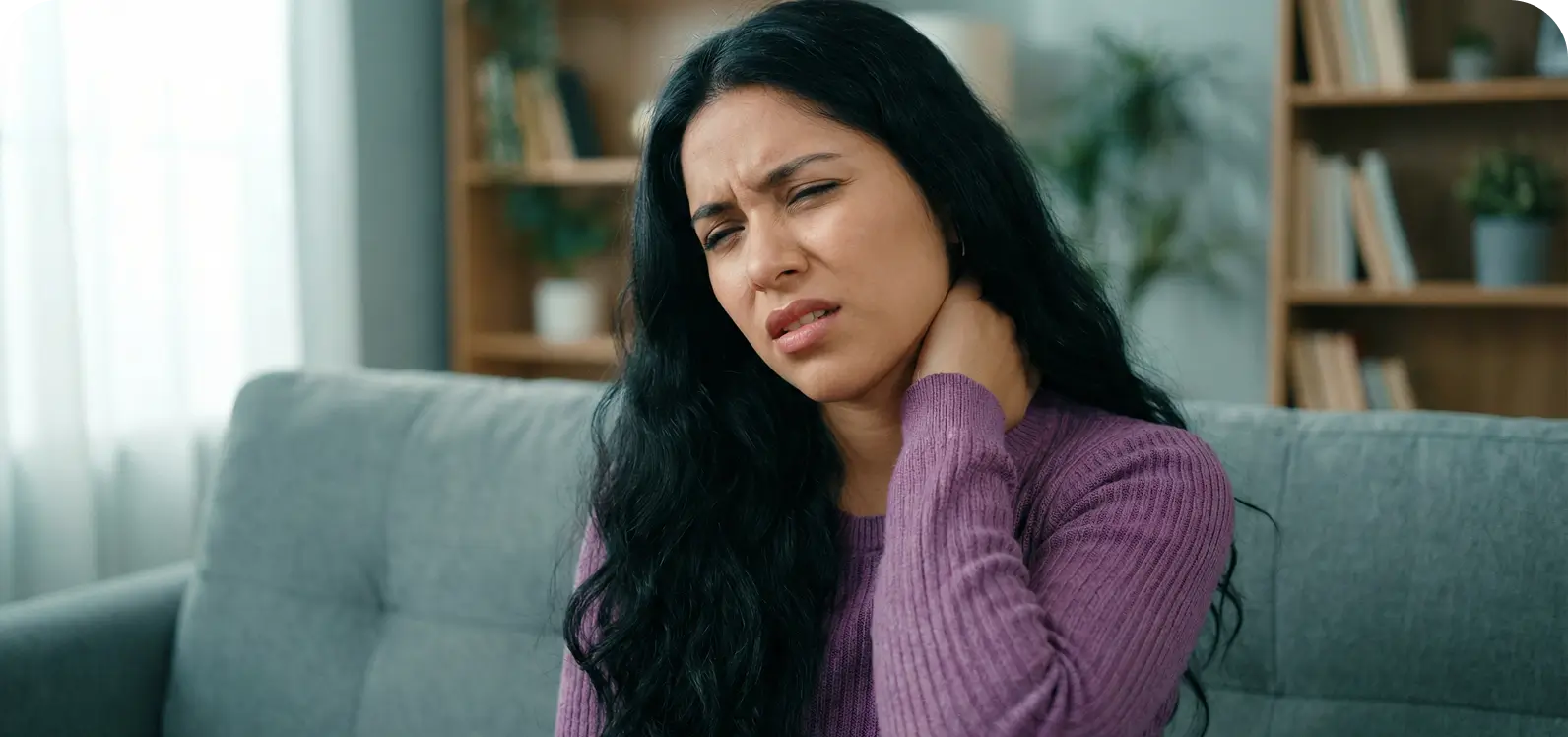
Persistent headaches or neck pain
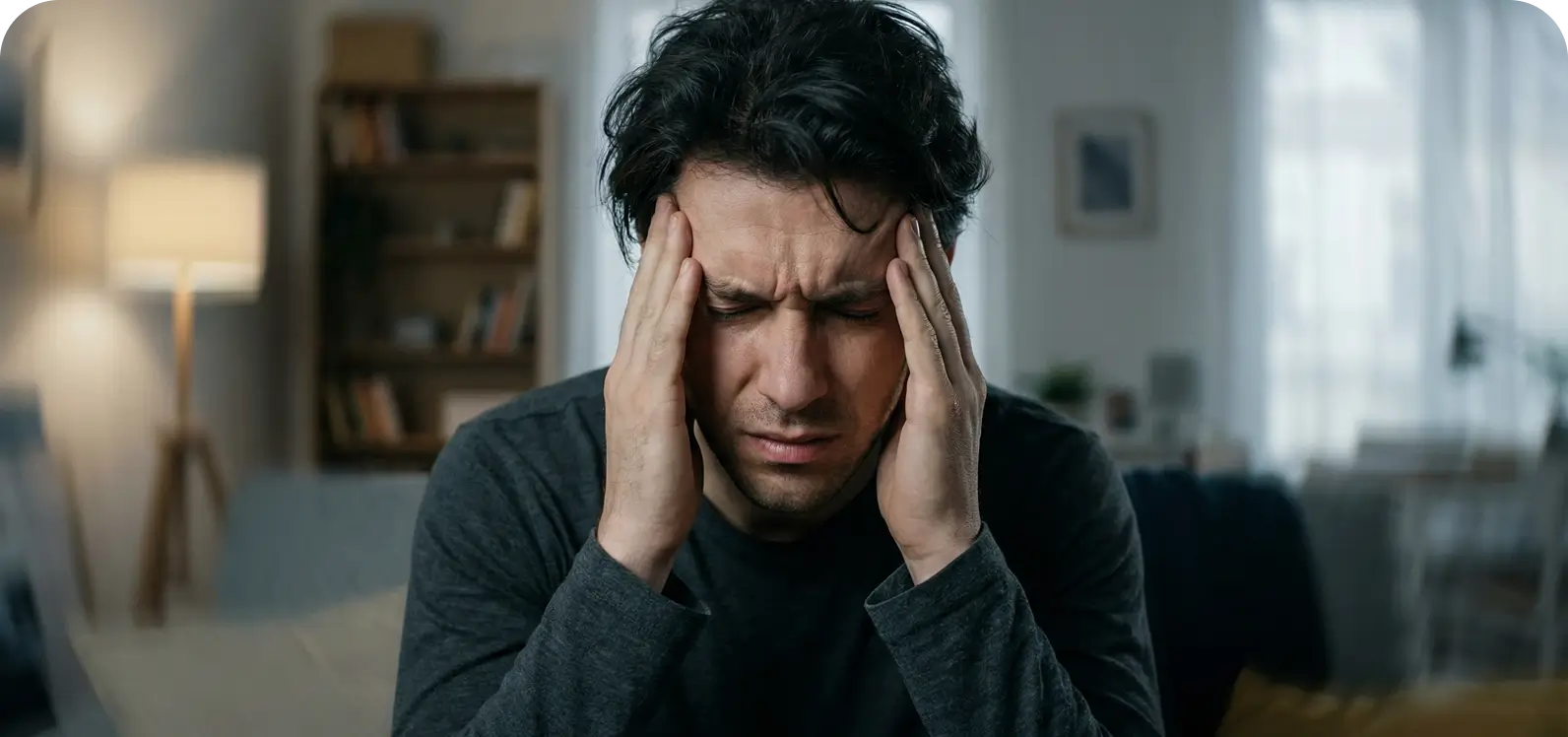
Dizziness, nausea, ringing in the ears
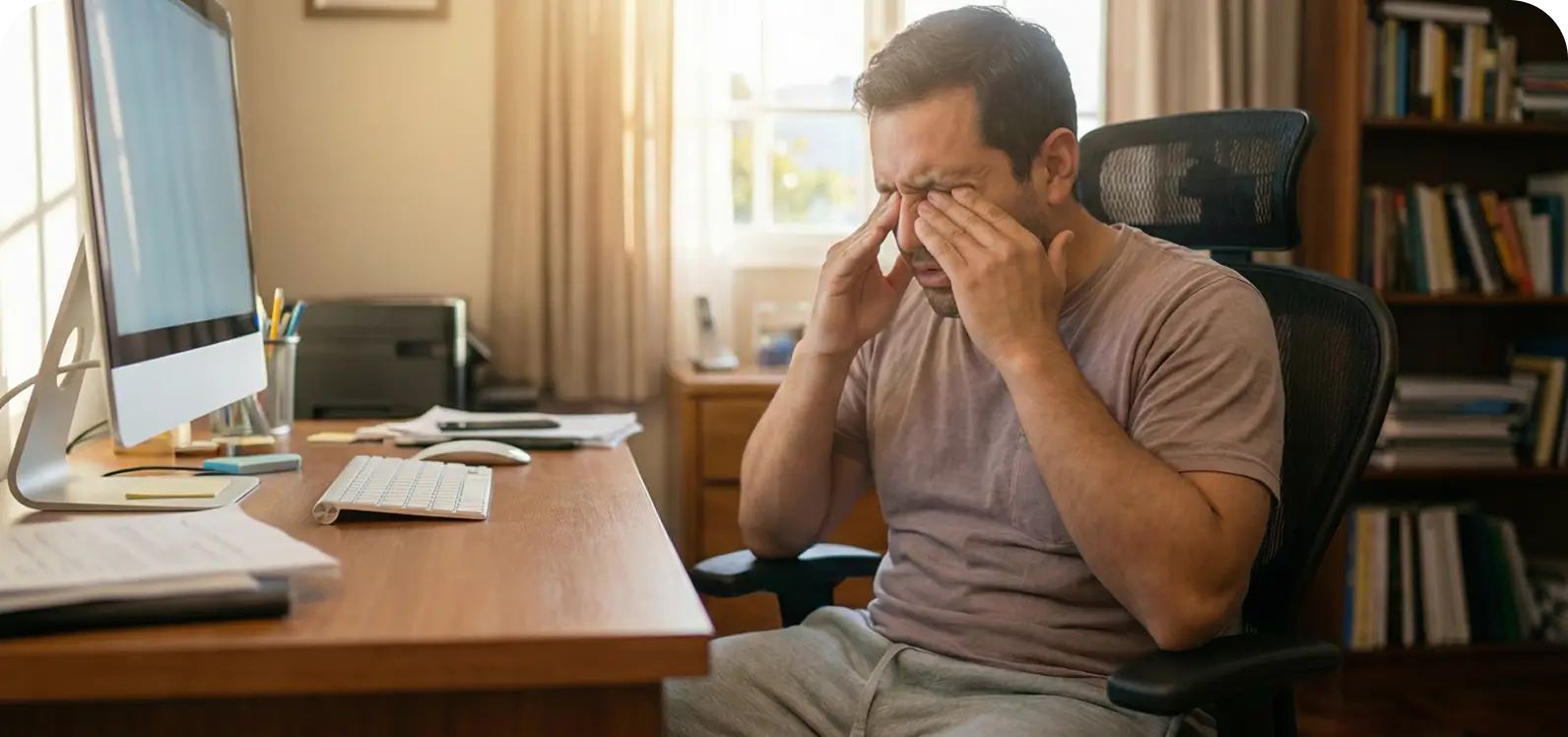
Blurred or double vision light sensitivity

Memory lapses or trouble focusing
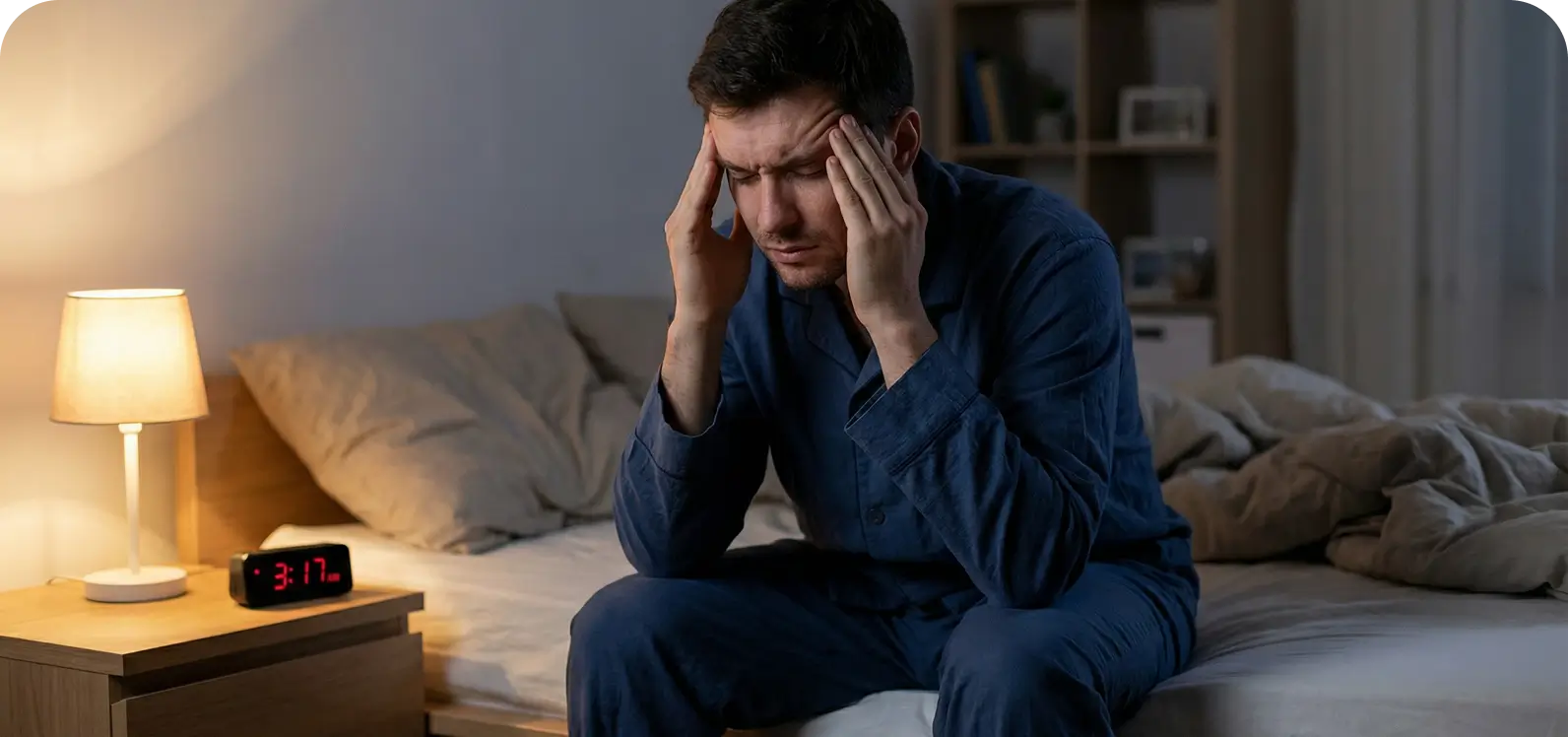
Irritability, mood swings, disrupted sleep
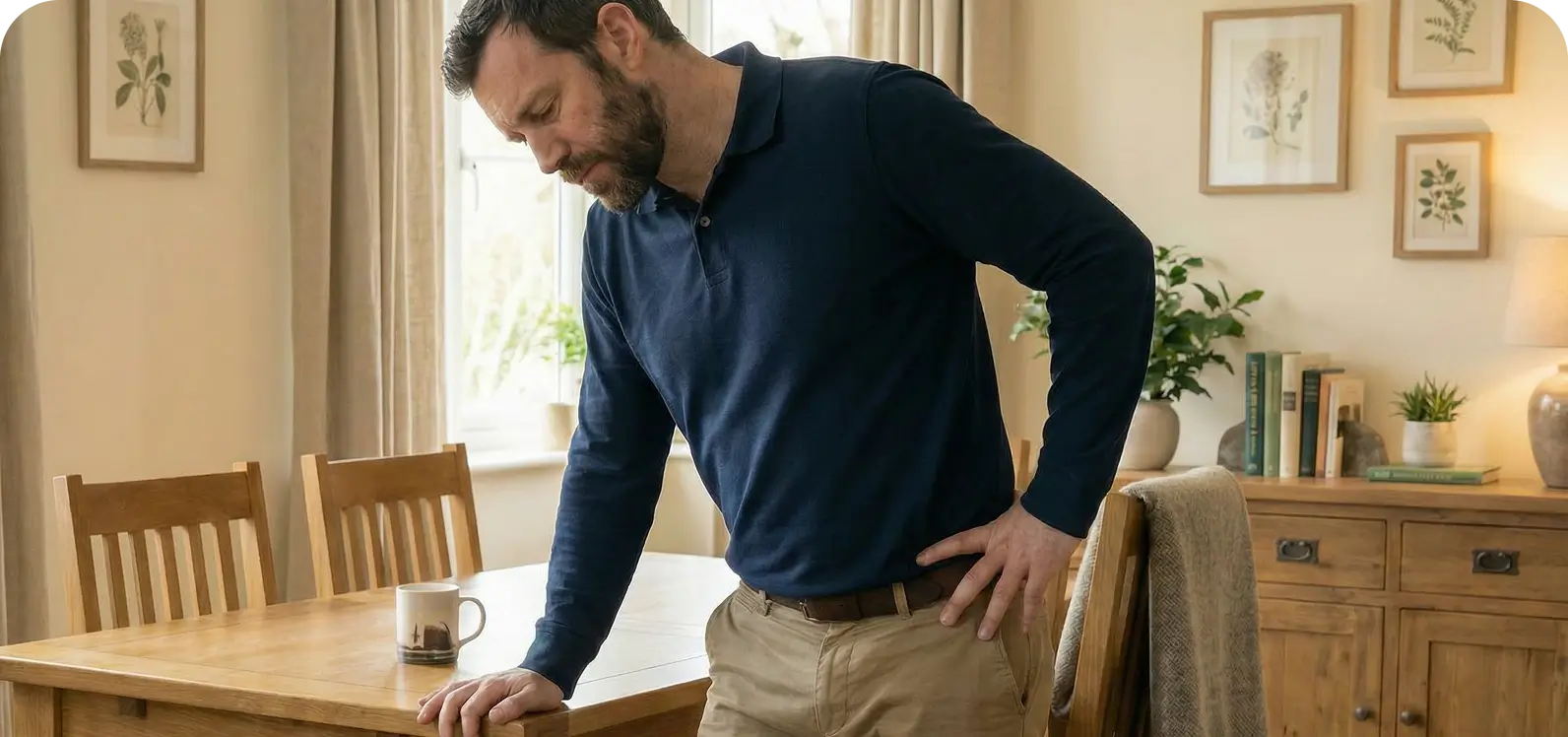
Weakness, numbness, slurred speech, or bladder changes
Emergency: Call 911 for severe/worsening headache, loss of consciousness, repeated vomiting,
slurred speech, seizures, new weakness/numbness, or concerning neck pain after trauma.
Understanding
Concussions & mTBI
A mild traumatic brain injury (mTBI) occurs when acceleration deceleration and rotational forces disrupt normal brain function. Loss of consciousness may or may not occur. Symptoms can be immediate or delayed. Routine imaging can be normal even when neurologic function is affected —that’s why we combine skilled exam, I-PAS metrics, and targeted rehab to drive recovery.
Our Diagnostic Approach
Targeted history, symptom inventory, neurologic exam, balance/ocular screening, exertional response, and cervical assessment.
Standardized eye-movement, vestibular, and reaction-time testing to objectively profile impairment.
Ordered when necessary for red flags, atypical recovery, or suspected structural injury.
I-PAS Assessments & Training
I-PAS captures saccades, smooth pursuit, vestibulo-ocular reflex, optokinetics, and reaction time. We translate those findings into I-PAS training—gaze-stability, smooth-pursuit/saccade drills, and visual-vestibular progressions—integrated with vestibular-ocular rehab and cervical therapy.
The result: objective benchmarks that guide safe return to school, work, sport, and driving.
Treatment Options
-
Concussion Rehabilitation
(graded sub-symptom exercise) - Vestibular-Ocular Rehabilitation
- I-PAS Training
- Cervical Spine Therapy
- Headache/Migraine Management
- Return-to-Learn / Return-to-Work
- Return-to-Play Protocol
Conditions We Treat
- Concussion (mTBI)
- Post-Concussion Syndrome
- Vestibular Dysfunction
- Oculomotor Dysfunction
- Cervicogenic Headache
- Migraine Triggered by Concussion
What to Expect at Your Visit
Same-day or next-day intake & focused neurologic exam
I-PAS assessments and/or neurocognitive testing if helpful for decisions
Activity guardrails, symptom pacing, home measures
Vestibular-ocular & cervical interventions; I-PAS training when appropriate
Milestones → return-to-learn/work/play with objective criteria
Clear findings, plan, and functional progression
Why Early Evaluation Matters
Early, exam-led plans beat passive rest. Sub-symptom aerobic exercise, I-PAS-guided training, vestibular-ocular progressions, and cervical mobility/strength typically restore function faster and reduce persistent symptoms. We advance by criteria—not the calendar—so gains stick and setbacks are rare.
For Athletes, Parents, Coaches, Employers
Return-to-Learn/Work
Staged cognitive loading, screen-time pacing, and accommodations; updated as tolerance improves.
Return-to-Play/Drive
Criteria-based progressions using I-PAS metrics, symptom scores, and exertional checkpoints.
Documentation
Objective notes tracking capacity and milestones—useful for schools, teams, and HR.
Our Care Team
Scott Farley, DO
Board-Certified Orthopedic Surgeon
George Farley, MD
Board-Certified Radiologist & Neuroradiologist
Arash Bidgoli, DO
Board-Certified Pain Management & Rehabilitation Specialist
What Our Patients Have to Say
Showing selected 4-5 ★ Google reviews.
“Any was great and explained everything to make sure I understand. Tania as well was very accommodating and welcoming when coming in for my appointment. Definitely recommend”
“Doctors that actually listen to you! Kassi and Dee are so nice and attentive. I didn’t understand the pain I was in or what do about it until I came here. Thank you!”
“Isaac B. Was amazing!!!!”
“Kassi the PA and Sophia the assistant was great on Saturday they got me right back and my appointment went smoothly.”
“Isaac and Marlene made my first vist great”
“Isaac Bolanos was the doctor that I saw. Very patient and knowledgeable and seem like he's very concerned about my injury.”
“They have been very thorough and helpful in treating me.”
“Isaac PA was excellent very professional and willing to listen and address all my concerns. Sofia MA very welcoming and polite. Great experience.”
“Tania and Any were both thorough and nice. They addressed my issues to my level of understanding.”
Request Your Same-Day Concussion Evaluation
Don’t wait in pain — our expert spine specialists are available for same-day evaluations.
Frequently Asked Questions
Do I need a scan (MRI/CT) to diagnose a concussion?
Usually not. Concussions are primarily a clinical diagnosis supported by tools like I-PAS and selective neurocognitive testing. We order MRI/CT when necessary for red flags, atypical recovery, or suspected structural injury. Your visit outlines exactly what we’ll do and why—see What to Expect and symptom patterns in Concussion (mTBI).
What is I-PAS, and how do you use it?
I-PAS objectively measures eye movements, vestibular reflexes, and reaction time using standardized stimuli. We leverage those metrics to target impairments and deliver I-PAS Training that improves gaze stability, pursuit, and saccades. It complements vestibular-ocular rehab and cervical care. Explore how training plugs in at I-PAS Training and review testing details under I-PAS Assessments.
How soon should I start activity after a concussion?
Soon—within sub-symptom limits. We begin graded aerobic exercise early, then layer vestibular-ocular and cervical work, adding I-PAS Training when appropriate. Advancement is criteria-based, not calendar-based, to prevent setbacks. See the structure of your plan in Concussion Rehabilitation and how we pace progress and testing in What to Expect.
Do you do baseline or post-injury computer tests?
Yes—selectively. Validated computerized testing can quantify memory, processing speed, and reaction time for baseline or post-injury comparisons. We use it when it meaningfully informs your plan, alongside exam findings and I-PAS metrics. Integration points appear in Concussion Rehabilitation and visual-vestibular metrics guiding I-PAS Training.
What symptoms should prompt urgent evaluation?
Severe or worsening headache, repeated vomiting, slurred speech, seizures, new weakness or numbness, or concerning neck pain require urgent evaluation. Otherwise, schedule a same-day or next-day clinic visit for guardrails and a rehab start. Immediate steps and escalation rules are outlined in What to Expect, with persistent-symptom guidance in Post-Concussion Syndrome.
How do you decide return-to-learn or return-to-play?
We combine symptom stability, I-PAS and neurocognitive metrics, clean vestibular-ocular and cervical screens, and graded exertion tolerance. Each stage has pass/fail criteria; we don’t advance if symptoms spike or metrics regress. School/work notes and team letters reflect milestones. Step-by-step details are in Return-to-Learn and Return-to-Play, with testing cadence in What to Expect.
Ready to start recovery?
Contact us and set up your doctor visit today to start your journey to pain-free living.