

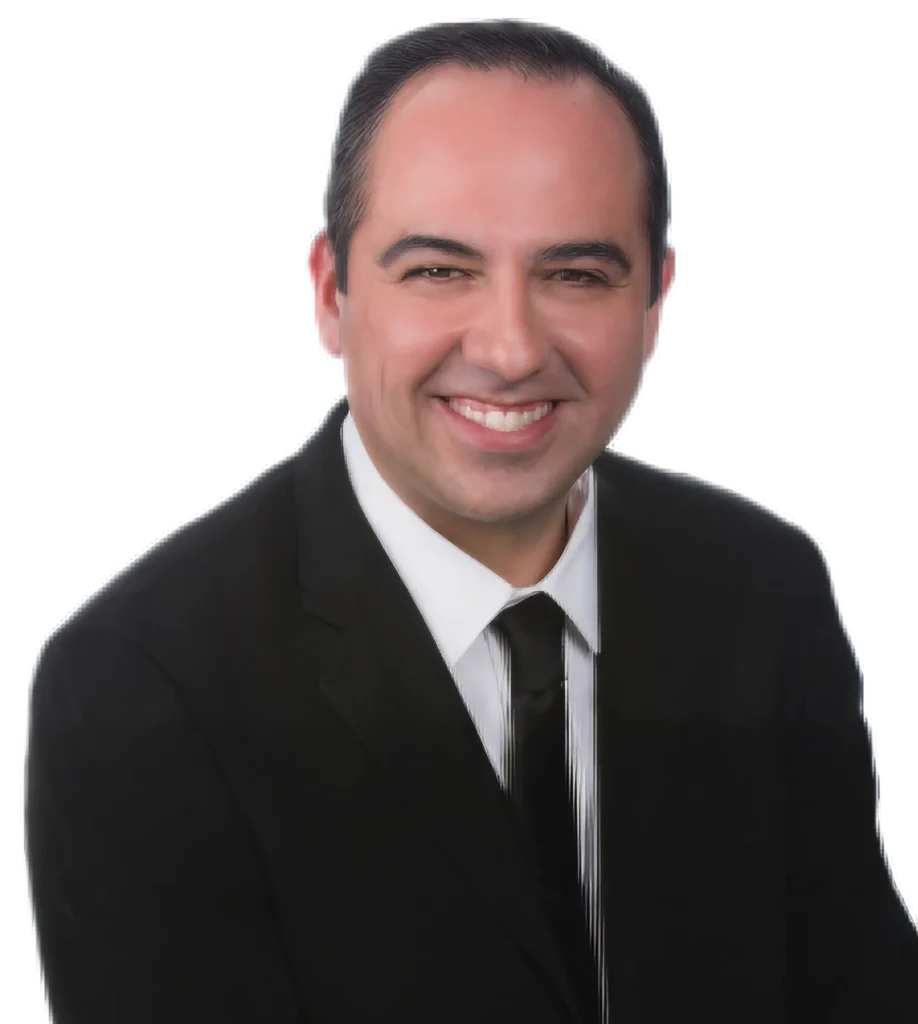

George Farley, MD
Board-Certified Neuroradiologist & Interventional Radiologist – Dallas, TX
Imaging should answer the question—then guide the least-invasive fix.
- Board certification: American Board of Radiology (1975) – Certificates of Added Qualification in Interventional Radiology and Neuroradiology
- Fellowships: Interventional Radiology & Neuroradiology, University of Nebraska & Medical College of Wisconsin
- 40+ years Hospital-based radiology; 7 years as Imaging Director, Comprehensive Spine Center of Dallas
Conditions & Symptoms Dr. Farley Focuses On
Expertise
C-arm fluoroscopy & image-guided spine injections
Diagnostic MR/CT protocols for spine trauma & mTBI
Vertebral augmentation (kyphoplasty)
Peer review & credentialing leadership
Professional Highlights
Senior Fellow, American Society of Neuroradiology
Former chief resident and faculty mentor, University of Nebraska Medical Center
Active member:
ACR • RSNA • SIR
Outside the Clinic
Soccer-club president, city-council alumnus, grandfather, and avid skier.
Other Experts Available
Arash Bidgoli, DO
Board-Certified Pain Management & Rehabilitation Specialist
Scott Farley, DO
Board-Certified Orthopedic Surgeon
What Our Patients Have to Say
Showing selected 4-5 ★ Google reviews.
“Kassi PA is incredibly informative, compassionate, and professional. She makes every visit easy and beneficial. I'm thoroughly satisfied with my care!”
“Today l saw P.A. Isaac and M.A.Sophia today .They did an excellent job.”
“Saw the PA Isaac today, he was awesome and clearly articulate. I’ve been coming for a few months after and injury and have had a great experience.”
“Very good care from the doctor, Dr. Isaac Bolans would go again”
“EVERYONE is nice and understanding and helping me manage my pain. To continue to be able to work and start a workout. Thank you.”
“(Translated by Google) They were very kind♡ (Original) Fueron muy amables♡”
“Isaac and Marlene made my first vist great”
“Good”
“If I could give 10 stars i would. My wife and I saw the Physician Associate Isaac Bolaños. He took great care of us today.”
Request Same-Day Injury Evaluation
Don’t wait in pain — our expert spine specialists are available for same-day evaluations.
Frequently Asked Questions
What does a neuroradiologist do, and how does that help my spine or head symptoms?
A neuroradiologist is a doctor trained to read MRI and CT scans of the brain, spine, and nerves and to use imaging to guide safe, precise treatments. Dr. Farley focuses on matching the right test to the right question, then coordinating care with your treatment team. If you want a fresh read on prior scans or help choosing the next study, see our page on MRI/CT Second Opinion.
When are image-guided spine injections considered, and what should I expect?
Image-guided injections may be suggested when arm or leg pain follows a pinched nerve or inflamed joint and exam findings match your imaging. Using live fluoroscopy, Dr. Farley helps your care team target the exact pain generator, so treatment can start with the least-invasive option. To learn how this works and typical next steps, visit Epidural Steroid Injection (also see facet/medial branch options).
What is kyphoplasty or vertebroplasty, and who might be a candidate?
Kyphoplasty and vertebroplasty are image-guided procedures for selected vertebral compression fractures. The goal is to stabilize the weakened bone and reduce mechanical pain, so patients can move more comfortably while healing. Suitability depends on fracture type, timing, and exam findings. Your clinician will review imaging and discuss risks and alternatives before deciding. For a plain-language overview, read Kyphoplasty / Vertebroplasty.
How do you decide between an MRI and a CT scan for spine or head problems?
Choice depends on the question. MRI shows nerves, discs, ligaments, the spinal cord, and soft tissues in high detail. CT excels at bone, fractures, and assessing hardware. Dr. Farley selects protocols that answer the clinical question and avoid unnecessary testing. If you have outside scans or need clarity on next steps, our MRI/CT Second Opinion page explains how we review images and reports.
How does I-PAS eye-tracking help after a concussion or whiplash?
Concussion can affect eye movements and visual tracking even when routine imaging looks normal. I-PAS measures oculomotor function to add objective data alongside symptoms and exam. These results help your care team tailor therapy and monitor progress over time. If you’re dealing with headaches, fogginess, or motion sensitivity after a collision or fall, learn how testing works on I-PAS Eye-Tracking.
How should I prepare for an MRI or an imaging-guided injection with the team?
Bring prior images and reports (CD or secure link), list medications and allergies, and follow any instructions your clinician provides. Wear comfortable clothing, remove metal before MRI, and arrive a few minutes early to review consent and safety checks. Preparation helps the team run the right protocol and keep you comfortable. For practical steps before your visit, see Preparing for Your Visit.
Ready to start recovery?
Contact us and set up your doctor visit today to start your journey to pain-free living.